Load in at dawn: gate times, cart traffic, and the neighbor problem
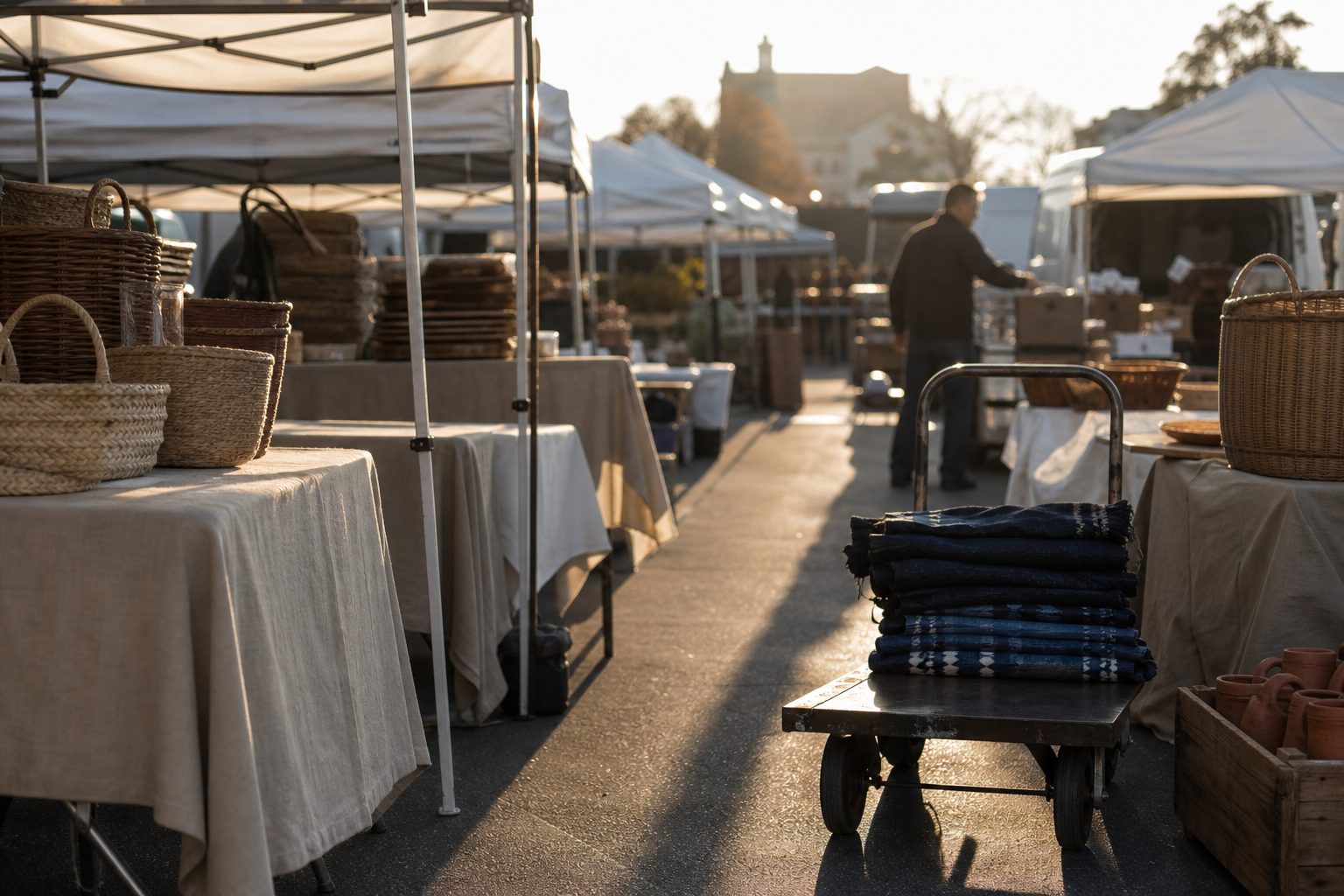
The quiet before sunrise is a brief window, and you feel it the moment you pull up to the barricade. Most outdoor craft fairs open vendor check-in at six or seven in the morning. Staff with clipboards wave you through once you show your booth assignment and state your business name. Early arrivals get a shorter walk from the van to the tent. Late arrivals end up dodging hand trucks and squeezing between half-built displays.
Load in is the morning's first negotiation. There's the rush for limited curb space, the jostle of carts loaded with bins and gridwall, and the silent jockeying for who gets the closest parking on the street. Some vendors have trailers and dollies. Others carry everything by hand. The neighbor problem is real: you may meet a friend or a total stranger. Sometimes your booth mate offers to help lift your tent frame. Other times, someone's boxes block your path or their tent legs creep over your line.
Many markets schedule load in by aisle or row, but not every vendor follows instructions. The first hour is a dance of patience. Watch for rolling carts stuck in soft grass or gravel. If you forget a dolly, you carry twice as many loads. Tarps, tent weights, display racks, tablecloths, and boxes of product all need to clear the walkways before customers arrive.
Keep reading: Sales Tax at Craft Fairs: Temporary Permits and Filing
The first hour: browsers, dealers, and other vendors shopping
Once the tent is upright and the tables are covered, the show floor takes on a new rhythm. The public is still parking and wandering. This is the hour when other vendors walk the aisles, checking out displays and sometimes making their own purchases. A few are looking for trades: a candle for a mug, earrings for a print. Some take notes for their own setups next time.
Dealers and frequent buyers make their rounds early. Some are looking for new lines to stock in their shops. Others want to grab "show specials" before they sell out. These buyers are not shy about asking for a price break if they buy multiples. Some will leave a business card or ask if you do wholesale. For many artisans, these early interactions cover the booth fee before lunchtime.
Browsers wander in pairs, coffee in hand, moving slow. They ask about your process or the story behind a piece, but most are not ready to buy. It's a good time to answer questions and adjust your display. If you have helpers, this hour is when they can learn the product names and prices, and get comfortable with the register or card reader.
Midday peak and the moment you can no longer restock
By eleven, the foot traffic doubles. Strollers, kids on shoulders, and groups in matching T-shirts fill the aisles. The sun is up, the food trucks are rolling, and a steady stream of customers crowds every booth. At this point, there is no safe way to leave your space to restock from the vehicle. If you forgot extra bags or need more inventory, you're out of luck until the rush dies down.
The midday peak is when most sales are made. Customers who browsed earlier circle back, ready to buy. People start thinking about lunch, and every decision takes longer. Lines form at popular booths. Many vendors stand the whole time, answering questions, bagging items, and running cards. The air is full of chatter and the buzz of generators.
Restock runs are nearly impossible now. Crowds block the side aisles and security staff frown on anyone wheeling carts through the sea of people. The smart move is to keep small, high-turn items in bins under the table. Some vendors keep a "show box" stocked with best sellers for quick grabs. Inventory that sells out before noon is rarely replaced during the event.
If you have staff, this is when they spell each other for a quick break. Hydration and snacks are crucial, but with no time for a real lunch, many settle for granola bars or cold coffee. The busiest stretch lasts until mid-afternoon, when the heat or a passing rain cloud thins the crowd.
Keep reading: What a Craft Fair Booth Costs: Fees, Travel, and Break Even
Reading the sky: wind, weights, and the call to drop the sides
Outdoor shows are at the mercy of the weather, and every vendor has a story about tents airborne in a sudden gust. Most markets require a minimum weight per tent leg, and enforcement can be strict. Some vendors use sandbags, others bring cinder blocks or water barrels. It's not unusual to see a crew walking the aisles, checking for proper anchoring.
Wind is the enemy of almost every display. Lightweight racks and hanging signs become hazards in a breeze. If the forecast is questionable, many vendors add extra weights or zip tie displays to the frame. Some bring clamps to secure tablecloths and plastic bins to keep products from blowing away.
When to drop the sides
A darkening sky or a sudden cold front is the cue to roll down the tent sides. Most vendors carry sidewalls for just this purpose. The call is a judgment: drop them too soon and you block airflow, trapping heat. Wait too long and you risk a soaked display. Experienced vendors watch the sky and the movement of trees for clues. Some use weather apps, but the best warning is the line of tents upwind dropping their sides in unison. In a real squall, you hold the frame and hope the weights are enough.
If rain arrives, foot traffic dips. Shoppers huddle under tents, and vendors check for leaks. Many bring towels or tarps to cover stock. Electronics go under tables or into bins until the worst passes. Once the weather clears, the crowd often comes right back, but displays may need quick repairs.
The late afternoon lull and what still moves during it
By three or four in the afternoon, the crowd thins. Early buyers have left, families pack up, and booth traffic slows. This is the late lull. For many vendors, this is the only chance to sit or eat something more substantial. A few die-hard shoppers are still walking the aisles, but the energy is lower.
Sales do not stop, but the pace changes. During the lull, certain items still move: small impulse buys, discounted seconds, and anything that makes a good last-minute gift. Some vendors mark down slow sellers or run "closing specials" to clear inventory. Others use this time to chat with neighbors or hand out flyers for their website or next event.
If you track sales by SKU or category, this is when patterns emerge. Products that moved fast in the morning may have slowed to a trickle. Items you thought would sell may still be sitting on the table. The lull is a window to study what actually worked, both in terms of product mix and display.
See how BoothInventory handles this for craft and maker commerce
Why Sunday differs from Saturday and how that changes the pack
If the market runs two days, Sunday always has a different feel. Fewer early shoppers and a slower start are typical. Many visitors are locals or people who could not make it Saturday. The morning is quieter, and foot traffic builds more gradually.
Vendors learn to adjust their inventory and staffing for the second day. If Saturday was strong, you may be short on best sellers and need to fill gaps in the display. Some vendors bring a "Sunday box" of backup stock, while others rearrange the table to spotlight what remains. Staff can rotate, with fewer people needed for the slowest hours.
The crowd late on Sunday often includes more regulars and repeat buyers. Some come looking for deals, expecting discounts on remaining stock. Others want to chat about custom orders or follow-up purchases. Vendors prepare for these conversations and sometimes offer bundle pricing to move the last items.
Packing strategy changes, too. On Sunday, you need to plan for a full teardown. It helps to pre-sort bins and stack empty boxes for quick loading. Many vendors start packing non-display stock during the late lull, careful not to rush customers still browsing.
Teardown order, the closing count, and the notes you take in the van
The show closes with an announcement over the PA or a slow fade of foot traffic. Teardown is a race against fading light and your own exhaustion. The first move is to secure cash and pack the most valuable or fragile items. Next comes display racks, tablecloths, and tent walls. If you work solo, prioritize what needs two hands before you're too tired.
You cannot start moving bins to your vehicle until the show declares the aisles clear. Security and staff enforce this for safety. Carts and dollies reappear, now loaded with fewer, heavier bins. The line of vans and cars at the curb is just as tense as in the morning. Everyone wants to beat the rush, but traffic jams are common.
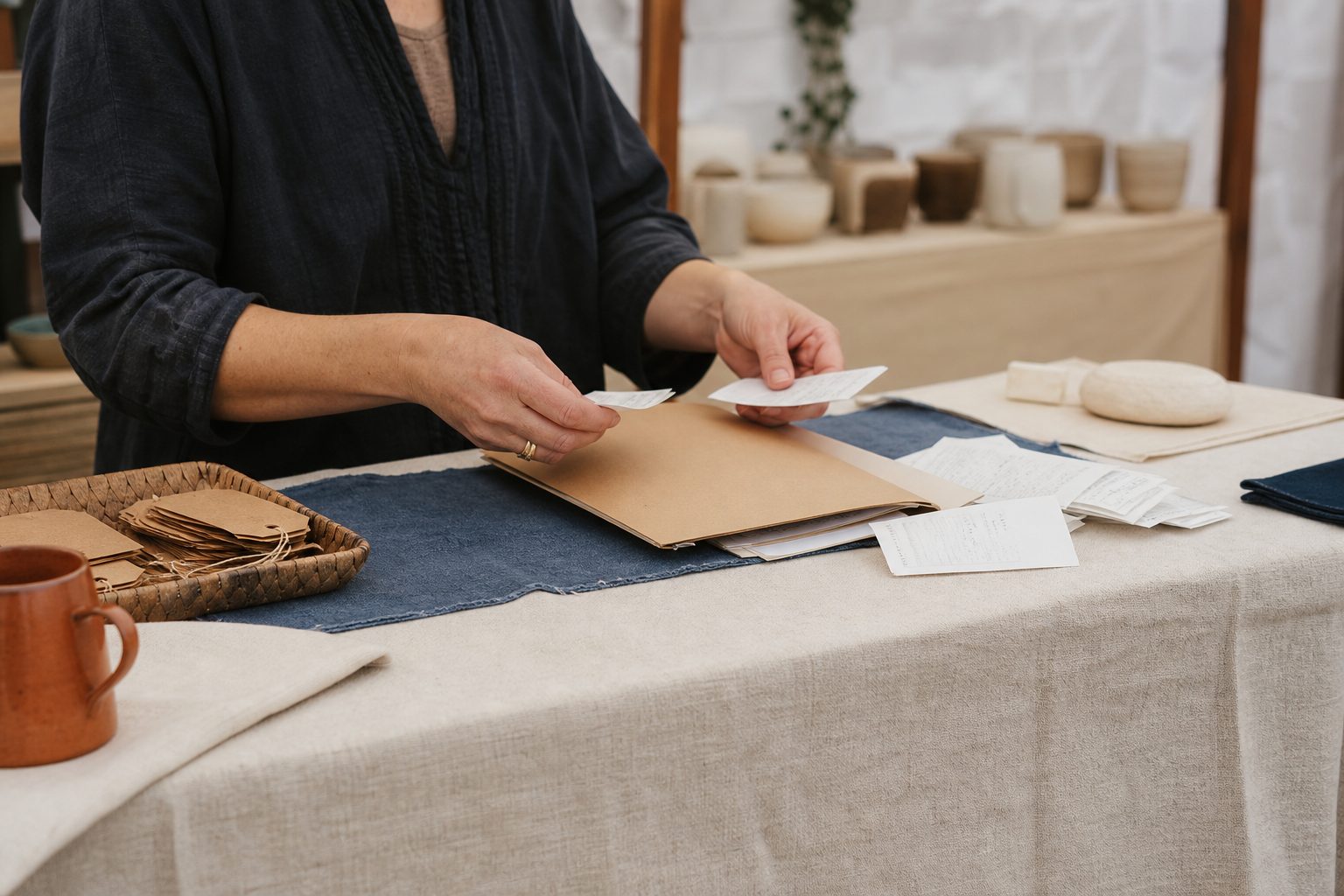
The closing count matters. Many vendors use tally sheets, notebooks, or inventory apps to record what sold, what's left, and what must be restocked before the next event. The best time to do this is as you pack, before fatigue and chaos make details fuzzy. Some booths record quick notes on which products sold fastest, what display changes worked, and which price points hit best.
In the van, with the last tote packed and the tent folded, you review the day. Was the show profitable? Did you run out of key items too soon? What should you bring more of next time? These notes shape your next event, staffing, stock, display, and timing.
For many makers, the right tools help turn these observations into action. Event-based inventory and sales tracking, restocking lists, and profitability comparisons save time and reduce stress. Systems that capture what sold, what needs to be packed, and how each event performed let you focus on the craft and the customer, not just the paperwork.